01The conversation I kept having
Before The Agency Art House existed I had a version of the same conversation perhaps a hundred times. Someone successful, often young, often building a home, would tell me they wanted to start collecting. Then they would say some variation of: I don't want to look stupid.
That sentence is the whole problem. These were people who negotiated hard for a living, who read balance sheets carefully, who would never buy a company without diligence. Put them in a gallery and they went quiet, because the room was built to make asking questions feel like admitting you did not belong there.
I understood it, because I had been on the other side of that counter. The opacity is not always malicious — a great deal of it is habit, and some of it is genuine complexity. But it is convenient for whoever already has the information, and it costs everybody else money.
What I did not want to build
I did not want to build a gallery. A gallery represents artists and sells their work, which means the person advising you is also the person with inventory to move. That is a legitimate business and it is not advice.
I also did not want to build the kind of advisory that sells access as the product — the promise that we can get you the work nobody else can get. Access matters, but leading with it trains a collector to value scarcity over judgement, and scarcity is the easiest thing in this market to manufacture.
What the firm is actually for
The Agency Art House works for collectors, not for artists and not for sellers. That single structural choice determines everything else: how we are paid, what we are willing to recommend against, and whose interest we represent when a negotiation gets difficult.
In practice the work is unglamorous. We research artists properly before anyone spends money. We separate what is documented from what is asserted. We assemble comparables and explain why each one belongs. We tell clients when the answer is no, or not yet, or not this example. Roughly as often as we help someone buy, we help them not buy — and that is the part clients tell me they value years later.
- We represent the collector, not the seller
- We research before we recommend, and we write down what we found
- We say no in writing when no is the answer
- We stay after the purchase: documentation, insurance, installation, care
Why real estate, specifically
The partnership with The Agency was not a branding exercise. It was a decision about where collecting decisions actually happen.
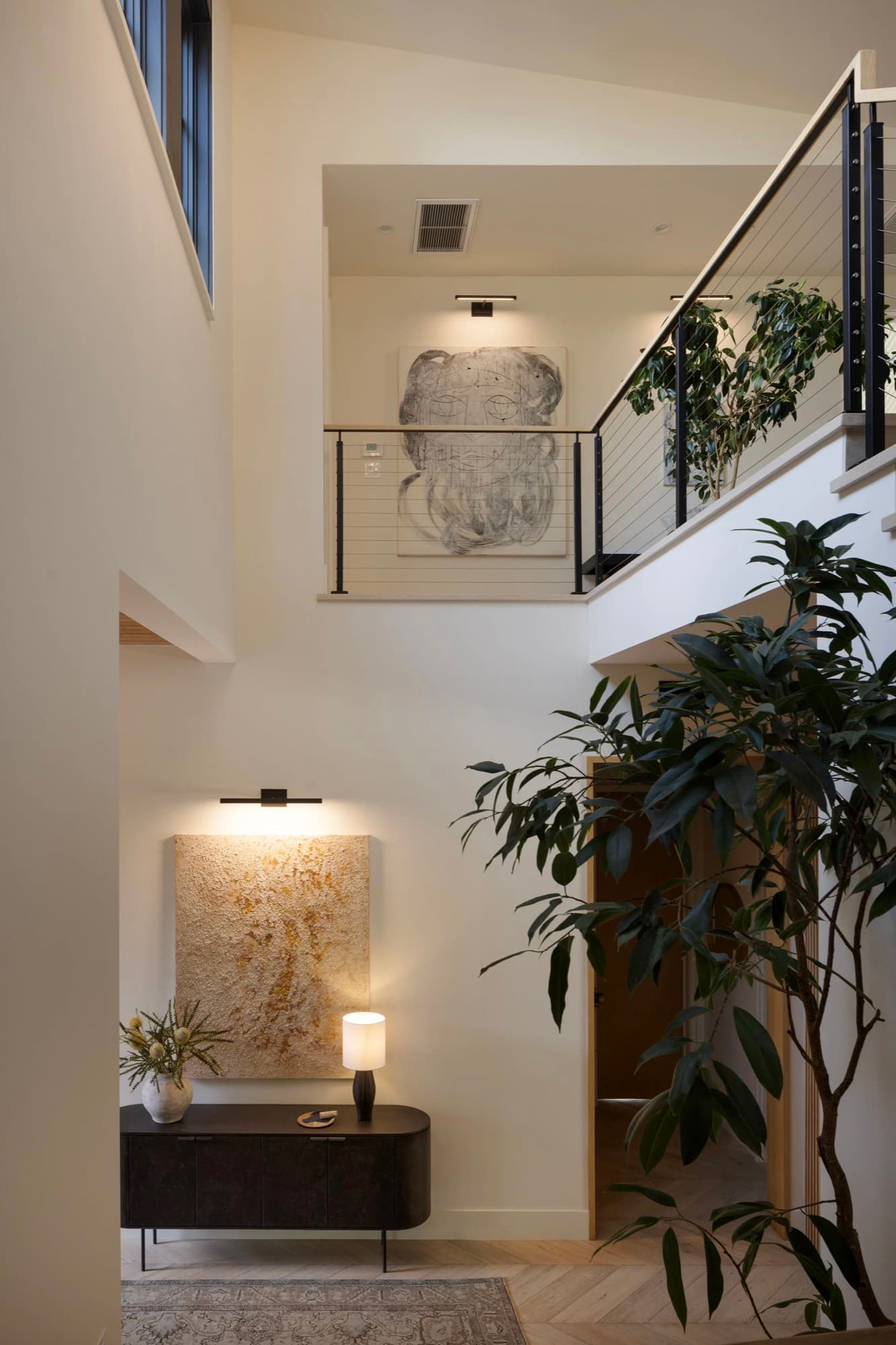
People do not generally wake up and decide to start a collection. They buy a house, or build one, or renovate one, and suddenly there are walls and a reason to think about them. The property event is the trigger far more often than any art-world event is. Being present at that moment, with the architecture still in draft, is the difference between a collection that fits a home and a collection assembled to fill it.
It also means being honest about the limits of that overlap. Art and property are not the same asset and do not behave alike, and I have seen more harm done by treating a collection as a portfolio than by any individual bad purchase.
What I am still trying to get right
The part of this I find hardest is pace. A good collection is built slowly, and almost every commercial pressure in the market pushes the other way — the fair closes Sunday, the allocation goes to someone else, the artist's show opens next month.
Most of my job is holding that line on behalf of someone who is excited, which is not always what they want to hear in the moment. I have never regretted it, and neither, eventually, have they.
The firm's work is described in more detail at The Agency Art House, and the advisory itself is delivered through the firm rather than through this site.